Wheels are usually one of the first things a C7 owner changes, and it makes sense. Nothing shifts a Corvette’s stance and presence quite like a good wheel and tire package. But the C7 has enough quirks under the surface that wheel shopping isn’t quite as simple as picking a size you like. This goes double if you’re stepping outside factory sizing or trying to translate advice from C6 or C8 owners, since the numbers don’t always carry over.
Here’s what actually matters before you buy.
Bolt Pattern Is the Easy Part
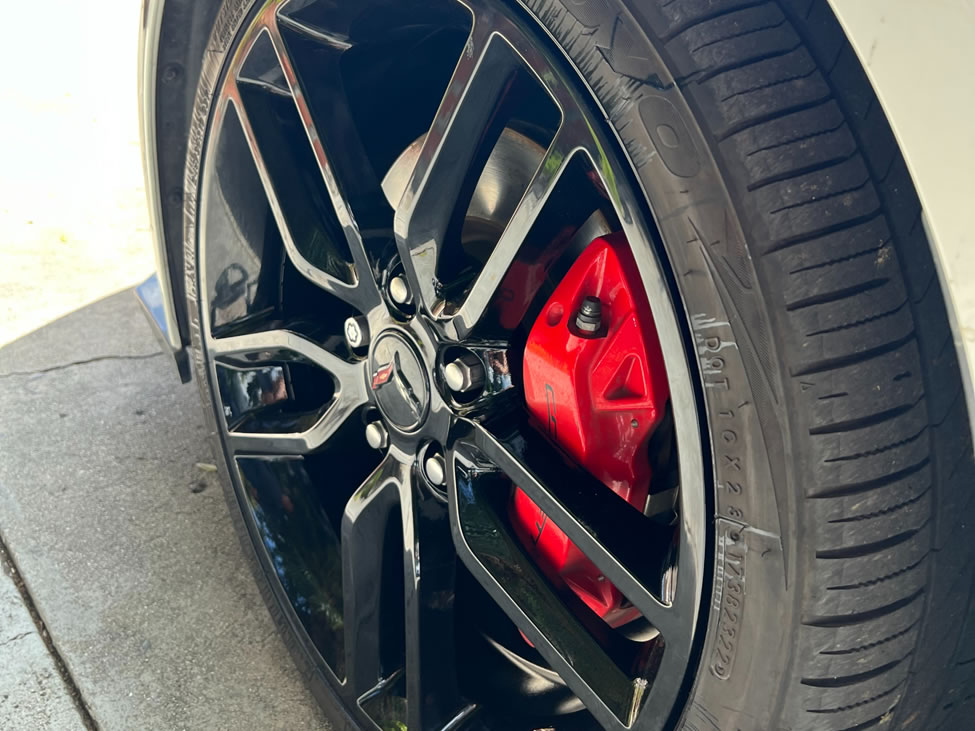
Most C7s share a 5x120mm bolt pattern, so that box checks itself. The real decisions happen around it: offset, backspacing, and how those two numbers play with the C7’s suspension.
- Offset controls how far the wheel sits in or out of the wheel well. Go positive and the wheel tucks in; go negative and it pushes outward for a wider look.
- Backspacing works hand in hand with offset, and it’s the number that determines how close the wheel gets to your brakes and suspension hardware. Miss this one and you’re dealing with rubbing, clearance problems, or a wheel that just looks off no matter what else you got right.
Whether you’re after a clean, factory-plus fitment or something wider and more aggressive, offset and backspacing are the two numbers worth locking down before anything else.
Sizing Isn’t the Same Across the Lineup
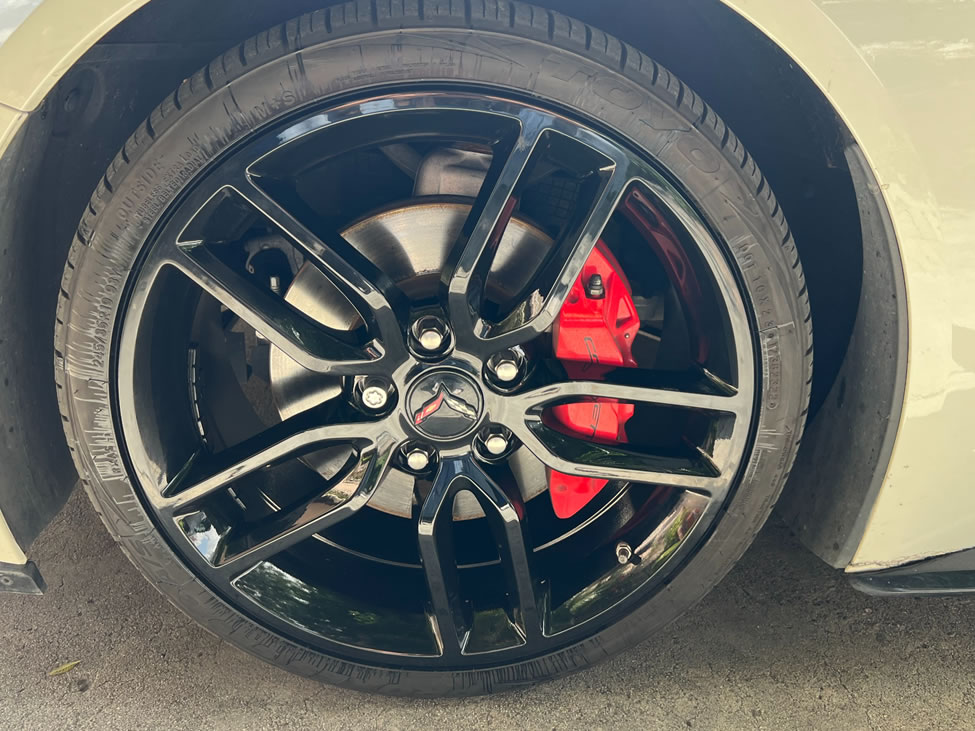
This is where a lot of first-time C7 buyers get tripped up: there’s no single “stock size” for the whole car. Base Stingrays come with 18-inch fronts and 19-inch rears, while Z51 cars jump to 19-inch front and 20-inch rear. Widths generally land somewhere between 9.5 and 10.5 inches, though that shifts depending on the setup too.
And if you’ve touched the suspension at all, lowered it, dialed in more camber, changed ride height, then factory numbers stop being a reliable reference. It’s worth checking your actual clearance before placing an order instead of assuming factory-plus will just work.
Material Matters More Than People Think
Stock C7 wheels are one-piece cast aluminum, which does the job fine. But once you start looking at upgrades, the cast versus rotary forged conversation becomes relevant. Rotary forged wheels tend to hold a real strength-to-weight edge over standard cast pieces, and that edge starts to matter once you’re putting real power down or spending time on track.
Where to Go Deeper
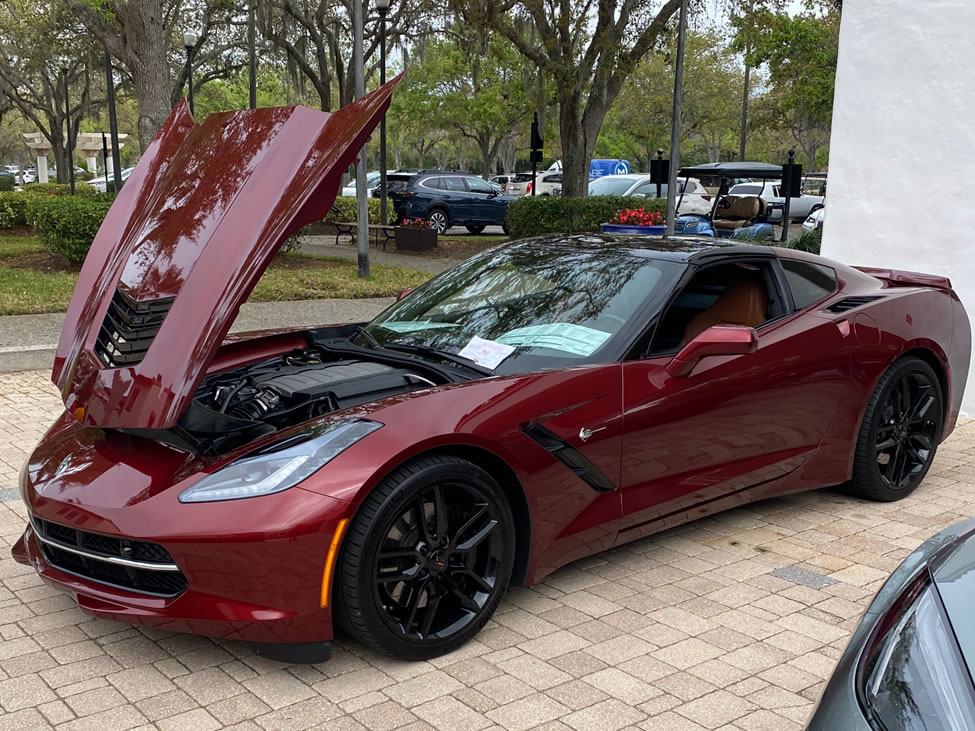
If you want to get into specific wheel options, backspacing recommendations by build type, and a look at some well-regarded choices for the C7, AmericanMuscle has a solid guide here: C7 Corvette Wheels Buying Guide. It’s a good next step once you’ve got the fitment basics sorted and you’re ready to narrow things down.
Bottom Line
Wheels are one of those mods that are forgiving when you get them mostly right and genuinely frustrating when you don’t. Take the time on bolt pattern, offset, backspacing, and sizing before you commit to a look, and you’ll skip the return shipment or the rubbing fender liner later.
Working through fitment on your own build? Post it in the C7 subforum. Plenty of people there have already been through the trial and error and can save you some of it.